
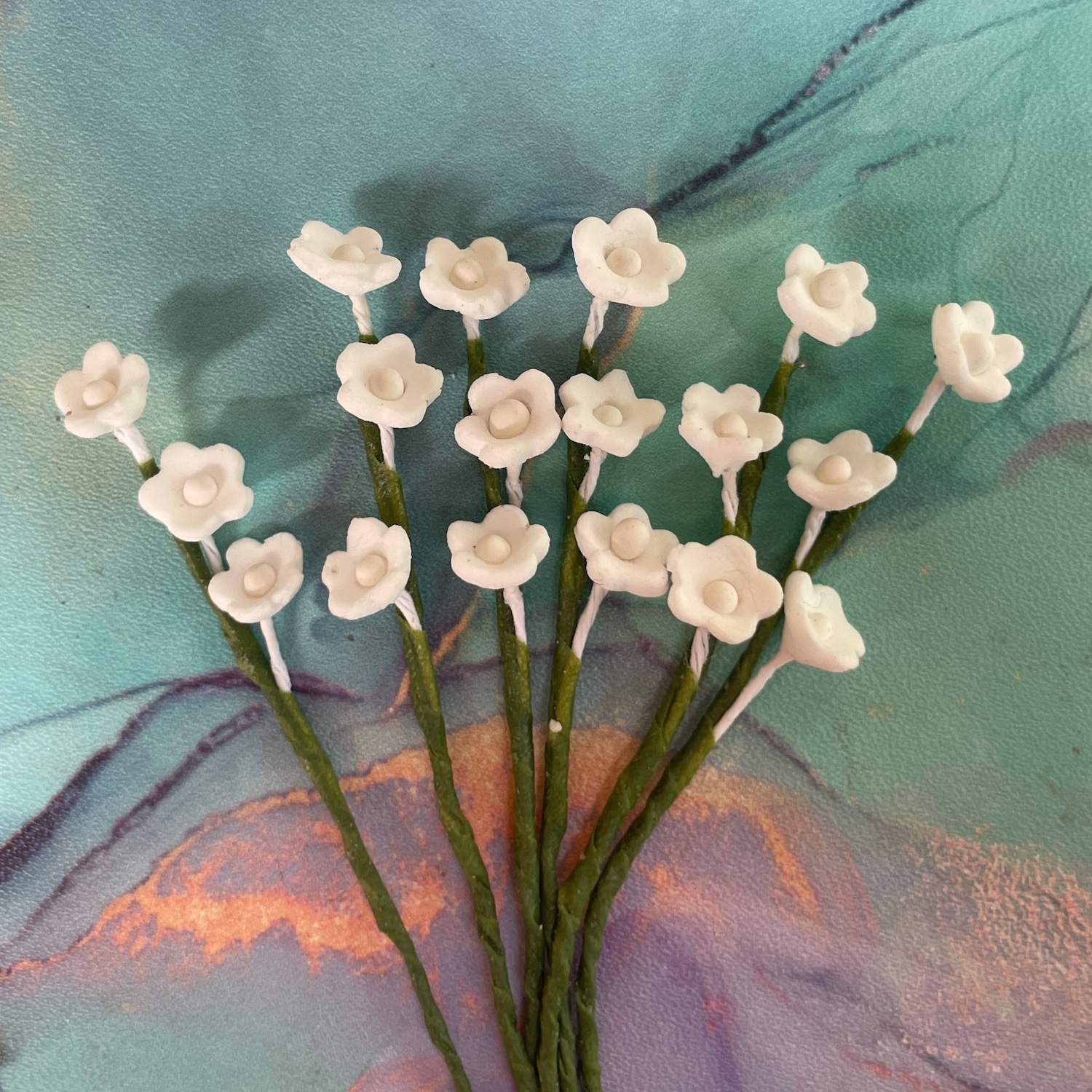
Looking for a way to make your next celebration truly unforgettable? The secret might be right on the cake. Edible sugar flowers are a stunning way to add a personal and beautiful touch to any dessert. Far more than just decoration, these delicate, handcrafted blooms turn a simple cake into a work of art. Whether you’re a seasoned baker or a curious beginner, this guide will walk you through the sweet art of creating your own sugar flowers.
A Sweet Tradition: The History of Sugar Flowers
The art of making sugar flowers has a long history, dating back to 16th-century Europe. In a time when sugar was a rare luxury, skilled artisans in Italy began to sculpt it into elaborate designs for the cakes of the wealthy. These edible masterpieces quickly became a symbol of status and wealth.
As sugar became more widely available in the 19th and 20th centuries, the craft evolved, expanding to include materials like gumpaste and fondant. The Victorian era in particular saw a boom in elaborate cake decorating, and sugar floristry became a cherished art form. Today, these beautiful creations are a staple for weddings, anniversaries, and other special events, celebrating both the beauty of the moment and the skill of the artist.
Getting Started: Your Tools and Ingredients
To begin making sugar flowers, you’ll need a few key tools and ingredients. A clean, flat work surface is a must, along with a rolling pin, a sharp knife, and petal cutters in various sizes.
- For Structure: Floral wire is a must for building flowers. Use both 20- and 26-gauge wires, depending on the size and weight of your petals.
- For Shaping: Foam pads and ball tools help you create the thin, delicate shapes and textures of real petals.
- For Assembly: A food-safe adhesive or edible glue will hold your petals and leaves together.
- For Finishing Touches: Decorative dusts and edible glitters can add color and shine.
- The Main Ingredients: You’ll work with gumpaste or fondant, which you can color and flavor. You can also use corn syrup and tylose powder to make your medium more flexible.
Familiarizing yourself with these items is the first step toward bringing your sugar flowers to life.
Crafting Gorgeous Petals and Leaves
Choosing a Color Palette
Color plays a big part in the beauty and realism of your sugar flowers. The right color scheme can make your creations look more real and tie them to the theme of your event. A good place to start is the color wheel, which shows how colors relate to each other.
To add depth, try shading and highlighting. Using different tones of the same color or contrasting colors will add dimension to your petals. You can also use airbrushing or edible dusts to create a gradient effect, which makes your work look more realistic. Think about the season of your event: cool blues for a winter wedding or warm oranges for a summer party. A well-chosen color palette will not only make your flowers look great but will also add to the feeling of your celebration.
Advanced Techniques for Realistic Textures
To make truly lifelike sugar flowers, you’ll need to learn some advanced techniques that copy the textures found in nature.
First, observe real flowers. Notice the subtle ridges, veins, and shapes that make each one unique. You can use veining mats to press detailed leaf and petal patterns onto your sugar, or you can create your own textures. Frilling is another technique where you thin and shape the edges of petals to give them a soft, ruffled look. You can do this with a ball tool or your fingers. Layering different colors on a single petal with petal dusts can create the natural gradients you see in real flowers, adding depth and realism to your creations. When you master these techniques, your sugar flowers will look like stunning botanical art.
Mastering the Craft: From Beginner to Pro
Gumpaste vs. Fondant
When making sugar flowers, a key decision is whether to use gumpaste or fondant. Each has different qualities that are useful for different tasks.
Gumpaste is a good choice for delicate petals and leaves because it can be rolled very thin without tearing and dries hard, holding its shape well. This makes it perfect for detailed, 3D designs. Fondant, on the other hand, is softer and more pliable. It’s often used to cover an entire cake with a smooth finish. Many sugar artists use both: gumpaste for the detailed floral parts and fondant for other decorations. Knowing how to use both materials will allow you to create a wider range of designs.
Creating Dimension with Layers
Adding layers is a simple way to give your flowers depth and dimension. Start by making several layers of petals for each flower, with each layer a little bigger than the last. This mimics how flowers grow in nature, with smaller petals at the center and larger ones on the outside.
Try cupping your petals to make them look like they’re in bloom instead of lying flat. Use floral tape to secure the layers, which not only makes your flowers stronger but also looks more natural. Adding leaves and other greenery to your design will also make your flowers stand out. By using these layering techniques, you can take your skills from basic crafting to true artistry.
Presenting Your Creations
Designing a Centerpiece with Sugar Flowers
A sugar flower centerpiece can be the highlight of any celebration. When designing one, think about the overall composition. The flowers should interact with other elements like candles or pearls. Use different heights to add interest. Tall stems can create drama, while a dense arrangement can look lush and full.
Make sure the centerpiece is balanced by varying colors and textures. Pick a statement flower as the focal point and surround it with smaller blossoms. Also, consider the size of your centerpiece in relation to your table so it doesn’t get in the way of conversation.
Harmonizing Flavors and Aesthetics with Edible Flowers
To take your cake to the next level, try adding real, edible flowers like pansies or violets. They can add a pop of color and a new flavor to your dessert. When using them, be sure they are fresh and free of pesticides. Place the edible flowers alongside your sugar work, making sure they complement, not overpower, your design. The slightly peppery taste of some flowers can be a great contrast to the sweetness of the sugar flowers, creating a delightful surprise for your guests. By using both, you can create a beautiful dessert that is a treat for both the eyes and the taste buds.