
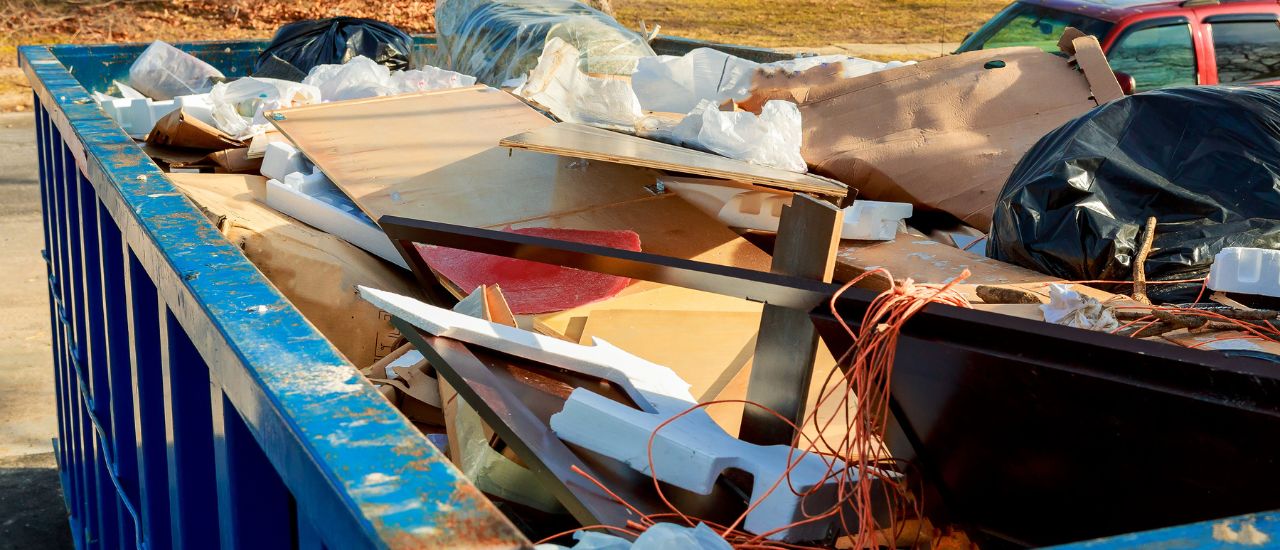
Municipal waste rules set legal limits that control how removal companies work. These rules decide what items they can collect and where they must take the waste. Cities follow these rules to keep the public safe and to handle trash correctly within their area. Companies providing junk removal in Dallas TX work within city regulations that spell out everything from required permits to approved disposal sites.
Licensing requirements framework
Getting licensed to haul waste isn’t just filling out a form. Cities require removal businesses to secure commercial haulier permits that come with annual fees, insurance documentation, vehicle registrations, and background screenings for owners and managers. Different permit tiers exist depending on business size – basic permits cover small residential jobs while expanded licenses allow larger commercial operations. Companies must ensure their facilities are located in proper zones. Storage yards and transfer stations cannot be placed in residential areas. A lack of licenses can result in serious consequences. These consequences include heavy fines, trucks being impounded, and orders to stop operations until permits are obtained.
Material handling protocols
Cities spell out exactly how removal companies should collect and handle different waste types, setting standards that protect both people and the environment.
- Hazardous material restrictions
Local rules forbid removal services from accepting certain dangerous materials like paint, cleaning solvents, lawn chemicals, motor oil, and industrial products that need special handling through dedicated hazardous waste programs. Companies turn away these items during pickup, directing customers toward proper municipal disposal channels instead. Getting caught with banned materials in regular waste loads results in stiff penalties.
- Recyclable separation mandates
Many cities now require removal companies to take recyclables out of trash loads. The recycling of metals, paper, cardboard, and plastic should be done at recycling centres instead of landfills. These rules set minimum recycling amounts that companies have to reach. Reports are due every few months showing how much was recycled and how much was thrown away. Missing these targets means higher fees or suspended permits.
Disposal destination mandates
Cities often decide where collected waste must go, taking away the company’s freedom to choose disposal sites based on price or location convenience.
- Approved facility lists
Municipalities keep updated lists of certified transfer stations, landfills, and recycling centres that meet environmental standards and accept waste from within city boundaries. Removal companies can only use these approved locations, keeping manifest paperwork that proves they followed the rules. Hauling to cheaper or closer facilities that aren’t on the approved list triggers permit violations and possible license loss.
- Regional waste agreements
Some areas have agreements between neighbouring cities about where waste can go, stopping trash from being shipped to faraway facilities outside partnership zones. These deals keep local waste within agreed geographic areas, supporting investment in regional disposal systems. Companies track where each load originated, keeping materials separated by city to ensure delivery to the right facilities under these agreements.
Municipal ordinances manage removal operations through permits, material rules, schedule limits, disposal duties, and paperwork needs. These layers of rules create tough settings where firms balance efficient work with respect for each rule. Good results need steady learning on rule updates, strong training for teams, and reliable systems that hold accurate records and send each file on time.