
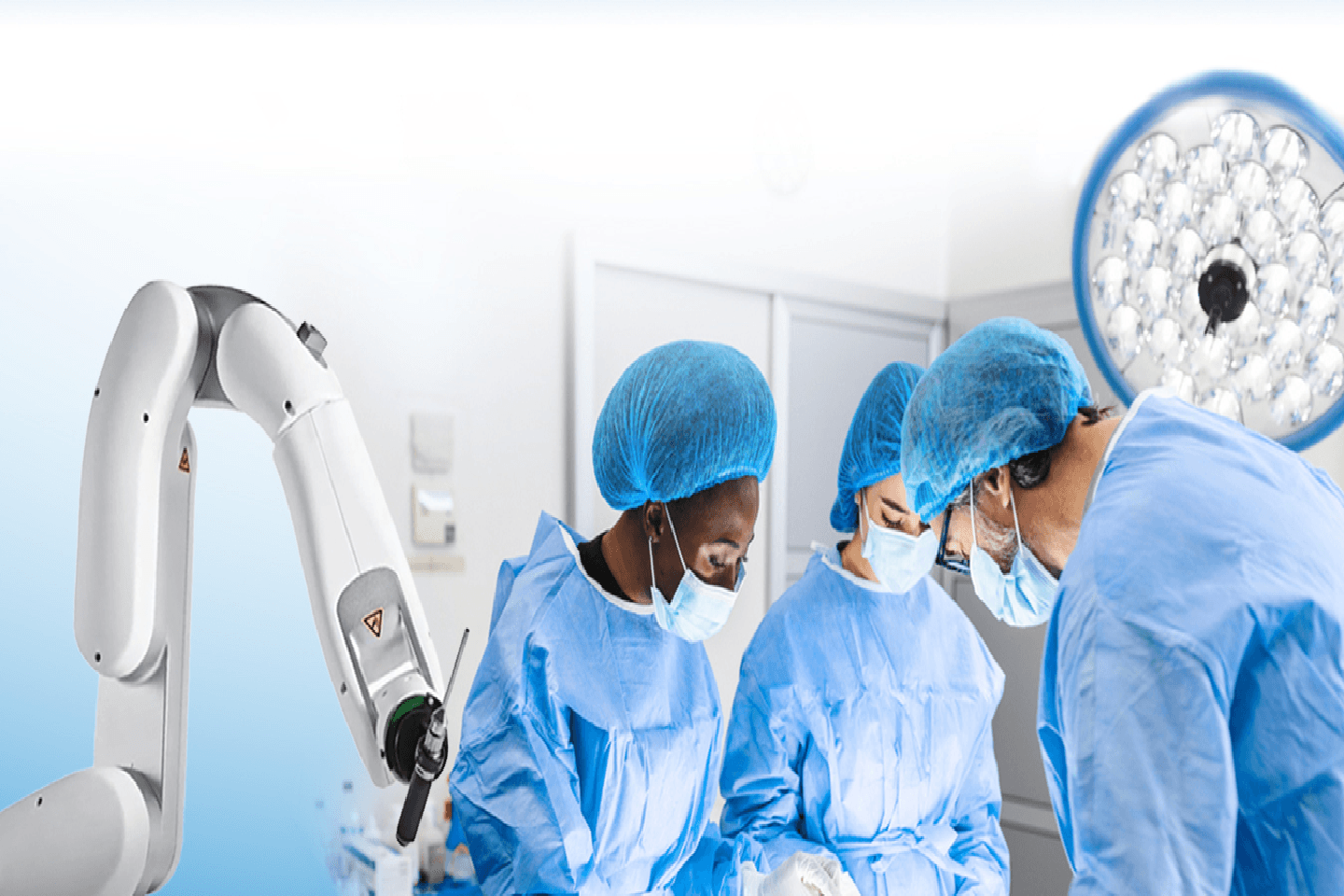
Robotics has become a key component of spinal surgery, enhancing accuracy and reducing patient risk. However, its effectiveness depends on the expertise of the surgeons using it. Proper training is essential to make certain that robotics improves safety, without creating new challenges. Dr. Larry Davidson, a board-certified neurosurgeon, with fellowship training in complex spinal surgery, emphasizes that mastering robotics requires a combination of technical instruction, mentorship and hands-on experience to apply the technology responsibly.
Through a blend of simulation, supervised practice and real-world application, robotic training prepares surgeons to achieve consistent, safe outcomes. This structured approach allows robotics to complement surgical skill, rather than replace it.
The Need for Specialized Training
Robotic systems are sophisticated tools that combine imaging, navigation and mechanical guidance. To use them effectively, surgeons must learn how to integrate preoperative planning with intraoperative execution. Training provides the knowledge needed to interpret imaging, set trajectories and respond to intraoperative feedback. Without proper training, surgeons risk misusing the technology, which could undermine safety. Structured education helps robotics enhance outcomes, while minimizing variability.
Simulation Labs
Simulation is often the first step in robotic training. Surgeons practice on digital platforms that replicate real cases, allowing them to plan screw trajectories, align constructs and test robotic workflows. These simulations provide a safe environment to make mistakes, learn corrections and build confidence. Simulation labs also allow surgeons to experience rare or complex cases. By practicing scenarios, such as severe deformities or osteoporotic fractures, they are better prepared to apply robotic guidance, when faced with these challenges in the operating room.
Hands-On Training
After the simulation, hands-on training introduces surgeons to the physical systems. It often occurs in cadaver labs, where real anatomy is paired with robotic platforms. These sessions teach tactile integration, how to guide instruments, while relying on robotic stability and imaging feedback. Cadaver labs are essential to bridging theory with practice. Surgeons learn how robotics feels in their hands, preparing them to use it seamlessly in live cases.
Mentorship and Supervision
Mentorship is another cornerstone of robotic training. Young surgeons work under the supervision of experienced mentors who have mastered robotic systems. This guidance helps trainees master both the technical skills and the clinical judgment needed to use robotics responsibly. Mentors stress that robotics supports, but does not replace, the surgeon’s decision-making. Emphasizing this balance keeps patient safety at the heart of every robotic-assisted procedure.
Dr. Larry Davidson says, “Sharing what we’ve learned over decades helps every patient benefit from progress in the field.” His perspective highlights how mentorship transforms individual experience into collective expertise, allowing each new generation of surgeons to build on proven knowledge and provide safer, more consistent outcomes.
Integration with Traditional Skills
Robotics training complements, rather than replaces, traditional surgical education. Surgeons continue to master anatomy, manual techniques and complication management. Robotics is introduced as an additional tool, so surgeons can rely on traditional methods, if technology is unavailable or fails. This dual approach builds versatility, allowing surgeons to operate proficiently, with or without robotics, and giving patients confidence that their care remains safe under any circumstances.
Safety Protocols in Training
Training programs emphasize safety protocols when using robotics. Surgeons learn to confirm trajectories with imaging, monitor for alignment shifts and adjust plans, when unexpected findings occur. By building safety checks into training, surgeons develop habits that minimize risks in real surgeries. These protocols position robotics as a means to minimize complications, supporting safer surgery, without adding new risks.
Team Training
Robotic surgery requires coordination across the entire surgical team. Training extends to nurses, anesthesiologists and technologists, who must understand how to set up and monitor robotic systems. Team-based training promotes seamless workflows and reduces delays. With each team member clear on their role, robotics contributes to safer, more efficient procedures.
Training in Complex Cases
Complex cases, such as deformities and multi-level repairs, require advanced robotic skills. Surgeons learn to plan long constructs, maintain alignment across multiple vertebrae, and adapt when anatomy is distorted. Robotics training prepares surgeons to handle these challenges, confidently. The ability to apply robotics in complex cases distinguishes experienced robotic surgeons from those still learning the basics.
Continuing Education
Robotics is a rapidly evolving field, and training continues well beyond initial certification. Ongoing education keeps surgeons current with the latest software updates, hardware advances and integration with AI or biologics. Workshops, conferences and online modules provide continuous learning opportunities, allowing surgeons to grow alongside technology and maintain safe, effective practice throughout their careers.
Benefits for Patients
Well-trained surgeons deliver safer, more consistent outcomes. Accurate hardware placement reduces complications, while efficient workflows shorten operative times. Patients benefit from smoother recoveries, less pain and stronger long-term stability. Training also builds patient trust. When surgeons explain their expertise in robotic systems, patients gain confidence in their care, knowing that their provider has both technical skill and technological support.
Athletes and Specialized Recovery
Athletes undergoing robotic-assisted surgery benefit greatly from well-trained surgeons. Precision and consistency are critical to supporting both recovery and performance goals. Proper training allows surgeons to use robotic systems with the accuracy needed to protect careers and streamline rehabilitation. By blending technical skill with patient-focused care, surgeons give athletes the best opportunity to return to competition, safely and confidently.
The future of robotic training will likely include AI-driven feedback systems, which analyze surgeon performance during simulation and provide personalized recommendations. Virtual reality may also expand, offering immersive training experiences that replicate real operating room environments. Future training must balance technology with human expertise. Surgeons of tomorrow will need not only technical proficiency, but also the judgment and compassion that define patient-centered care.
Patients as Partners in Robotic Care
Patients also participate in the training process by asking questions and engaging in shared decision-making. When surgeons explain their training background, patients feel more confident about undergoing robotic-assisted procedures. This transparency strengthens trust and reinforces the role of training in safe outcomes.
Robotic training blends simulation, cadaver labs, mentorship and ongoing education to develop safe, effective practice. Integrating robotics with traditional surgical skills produces surgeons who are versatile, precise and attentive to patients. Mentorship emphasizes that training goes beyond mastering machines, it’s about using technology responsibly to support patient care. This approach envisions a future where robotics and human expertise work together, to provide care that is both safer and truly transformative.