
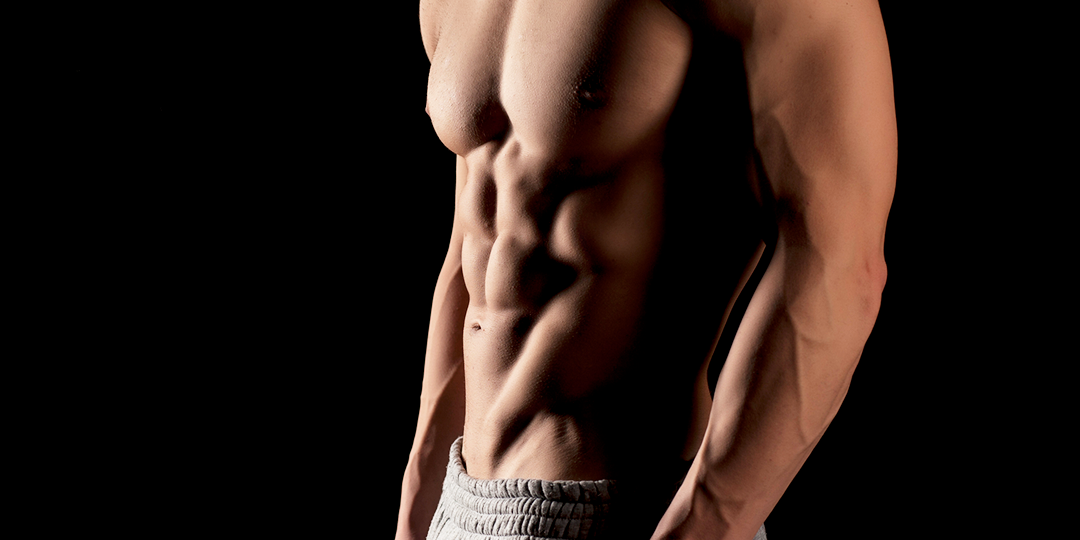
The ancient Greeks celebrated the human form as an expression of divine beauty. Among their aesthetic ideals, the V-shaped definition at the lower abdomen—what they called Apollo’s belt—represented peak physical conditioning. Named after the god of light, music, and physical perfection, this feature has endured as a fitness aspiration for millennia.
Modern athletes and fitness enthusiasts continue pursuing this classical ideal, now more commonly known as the adonis belt. Understanding both its cultural significance and the practical requirements for developing one reveals why this particular aesthetic marker has maintained its appeal across thousands of years.
The Historical Significance
Greek sculptors meticulously depicted Apollo’s belt in their statues of athletes, warriors, and gods. The famous Doryphoros (Spear Bearer) by Polykleitos, created around 440 BCE, showcases this V-line definition as an integral part of the idealized male form.
These artists weren’t merely imagining an ideal—they were sculpting from life. Greek athletes trained extensively, competing nude in the Olympic Games, where physical development was openly displayed and admired. The bodies we see in ancient sculpture reflect real training methods and dietary practices.
The Romans continued this tradition, and the Renaissance saw a revival of classical aesthetics. Michelangelo’s David, completed in 1504, displays a clearly defined Apollo’s belt, connecting Renaissance artistic ideals directly to Greek tradition.
The Anatomical Reality
Apollo’s belt isn’t a single muscle but rather the visible result of several anatomical structures interacting. The primary components include:
The Inguinal Ligament: This band of connective tissue runs from the anterior superior iliac spine (ASIS) to the pubic tubercle. It creates the groove that becomes the V-line when surrounding musculature is developed and body fat is sufficiently low.
The External Obliques: These are the outermost layer of abdominal muscles, running diagonally from the lower ribs down toward the pelvis. Well-developed external obliques create the muscular border above the V-line.
The Internal Obliques: Lying beneath the external obliques and running in the opposite diagonal direction, these muscles contribute to the thickness and definition of the entire oblique region.
The Transversus Abdominis: The deepest abdominal muscle wraps around the torso like a corset. While not directly visible, a developed TVA creates a tighter waistline that makes Apollo’s belt more pronounced.
Genetic Factors and Realistic Expectations
Before diving into training and nutrition strategies, it’s important to acknowledge genetic variation. Several factors influence how prominent your Apollo’s belt can become:
Hip Bone Structure: The prominence of your ASIS (the bony protrusion at the front of each hip) affects how defined the V-line appears. Individuals with more prominent hip bones tend to have a naturally more visible V-line even at higher body fat percentages.
Muscle Insertion Points: Where your muscles attach to bone affects their visual appearance when developed. This is genetically determined and cannot be changed through training.
Fat Distribution Patterns: Genetics influence where your body preferentially stores and loses fat. Some individuals lose lower abdominal fat relatively easily; others find this area extremely stubborn.
None of these factors prevent you from developing Apollo’s belt—they simply influence how pronounced yours will be and how much effort is required to reveal it.
Training for Apollo’s Belt
Effective training targets the obliques and lower abs while building overall core strength. The following exercises specifically develop the musculature that creates the V-line:
Hanging Oblique Raises
Hang from a pull-up bar with a shoulder-width grip. Raise your knees toward your chest while simultaneously rotating to bring them toward one armpit. Lower with control and repeat to the other side.
This exercise combines lower ab engagement with oblique rotation, targeting the exact muscles that frame Apollo’s belt. Start with 3 sets of 8-10 reps per side, progressing to straight-leg variations.
Landmine 180s
Insert one end of a barbell into a corner or landmine attachment. Hold the other end with both hands, arms extended. Rotate the bar in an arc from hip to hip, controlling the weight throughout.
The rotational nature of this movement emphasizes the obliques while the standing position engages the entire core for stability. Use moderate weight for 3 sets of 10-12 reps per side.
Copenhagen Planks
Lie on your side with your top foot on a bench and bottom foot off the ground. Lift your hips to create a straight line from head to toe. This variation of the side plank dramatically increases oblique activation.
Hold for 20-30 seconds per side, building toward 45-60 second holds as strength improves.
Ab Wheel Rollouts
While primarily targeting the rectus abdominis, ab wheel rollouts also challenge the obliques to prevent lateral deviation and rotation. The anti-extension demand strengthens the entire abdominal wall.
Kneel on a mat, grip the ab wheel, and roll forward until your arms are extended overhead. Maintain a flat back throughout—any arching indicates the movement has exceeded your current strength level.
Nutritional Strategies
The Greeks understood that diet influenced physical development. Their athletes followed specific dietary regimens including particular amounts of meat, bread, and wine. While our nutritional science has advanced considerably, the principle remains: you cannot out-train a poor diet.
Achieving Necessary Body Fat Levels
Apollo’s belt becomes visible for most men between 10-14% body fat and for most women between 16-20%. Reaching these levels requires a sustained caloric deficit, but the approach matters:
Moderate deficits (300-500 calories below maintenance) preserve muscle mass and metabolic rate while allowing steady fat loss. Aggressive deficits often backfire through muscle loss, metabolic adaptation, and eventual rebound weight gain.
Protein Requirements
During caloric restriction, protein needs increase. The body tends to break down muscle for energy when calories are scarce unless adequate protein is available. Aim for 0.8-1.2 grams per pound of body weight daily.
Distribute protein intake across multiple meals (4-5 per day) to maximize muscle protein synthesis. Each meal should contain at least 20-30 grams of quality protein.
Managing Hormones Through Nutrition
The lower abdominal region is particularly sensitive to hormonal influences. Chronically elevated cortisol promotes fat storage in this area. Keeping insulin relatively stable prevents the “lock” on fat cells that prevents mobilization.
Strategies for hormone management include: timing carbohydrates around workouts, ensuring adequate sleep, managing stress, and avoiding extreme caloric restriction that elevates cortisol.
Addressing Stubborn Lower Ab Fat
If you’ve achieved relatively low body fat but Apollo’s belt remains hidden, you’re likely dealing with stubborn fat. This isn’t psychological—it’s physiological.
Stubborn fat deposits have higher concentrations of alpha-2 adrenergic receptors and lower blood flow compared to other areas. Several strategies can help:
Fasted Training: Exercising in a fasted state may improve fat mobilization from stubborn areas by keeping insulin low and catecholamine sensitivity high.
Increasing Local Blood Flow: Activities that increase blood flow to the lower abdominal region—including targeted exercises and even massage—may improve fat mobilization by delivering catecholamines to these resistant fat cells.
Extended Low-Intensity Activity: Long walks or other low-intensity activities keep fat oxidation elevated without spiking insulin or causing the hormonal disruption of intense exercise.
The Timeline to Apollo’s Belt
Developing a visible Apollo’s belt typically takes several months of consistent effort. The exact timeline depends on your starting point:
If you’re beginning above 20% body fat, expect 5-8 months of dedicated work. Those starting between 15-20% might see results in 3-5 months. Already lean individuals (under 15%) may need only 1-2 months of targeted training.
These timelines assume consistent adherence to both training and nutrition protocols. Perfect adherence isn’t required—but sufficient consistency is.
Conclusion
Apollo’s belt has represented physical ideal since ancient times, and achieving it remains a meaningful fitness goal for many. The combination of developed oblique muscles, adequate overall muscular development, and sufficiently low body fat creates this classical aesthetic.
The training required—anti-rotation exercises, rotational movements, and comprehensive core development—builds genuine functional strength. The dietary discipline necessary develops habits that support long-term health.
Whether you’re motivated by aesthetics, athletic performance, or simply the satisfaction of achieving a challenging goal, pursuing Apollo’s belt develops both body and discipline in ways the ancient Greeks would recognize and appreciate.