
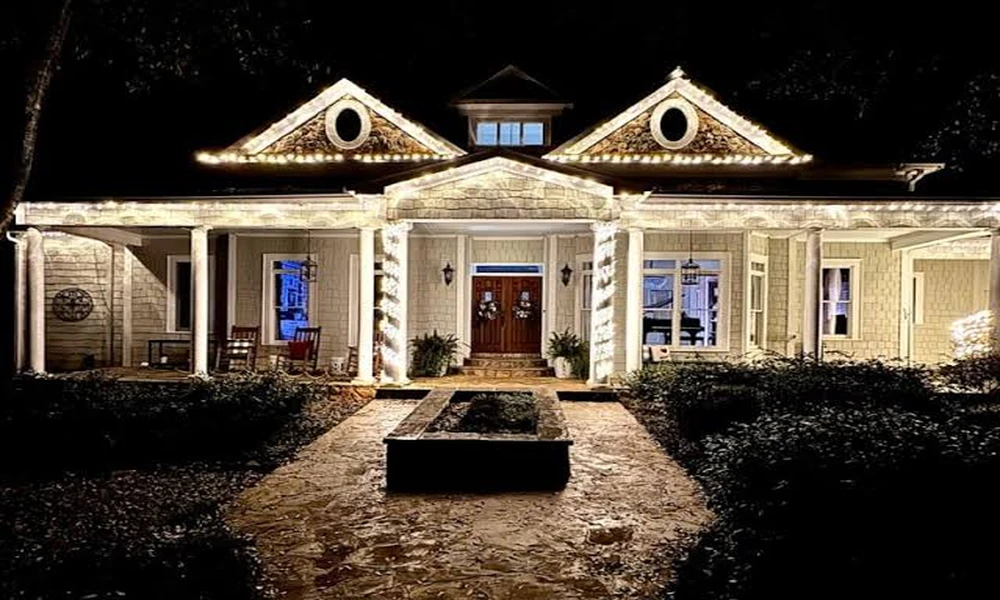
The Options
Every fall, homeowners across Utah face a countdown they may not even realize is ticking. Wait too long to plan holiday lighting, and the best installation slots disappear, ladders come out in icy conditions, and strings purchased in a rush often fail within a season. The stakes are not just aesthetic. Poorly installed lights can create fire hazards, trip hazards on walkways, and electrical strain that shows up as a spike on the January utility bill. Ignoring the decision does not make it go away; it just narrows the choices left when the season arrives.
Homeowners generally choose between three routes when it comes to holiday lighting. The first is the classic do-it-yourself approach, unpacking boxes of string lights each November and taking them down again in January. The second is hiring a seasonal installer who puts up rented or owned strands for a few weeks and removes them shortly after New Year’s. The third, growing steadily in popularity, is a permanent lighting system installed once and controlled through an app or timer year-round for holidays, sports teams, or everyday accent lighting.
Each of these routes comes with tradeoffs in cost, time, and appearance. DIY lighting is inexpensive upfront but consumes weekends and often results in uneven spacing or burned-out bulbs by mid-December. Seasonal installers solve the labor problem but usually require new contracts and pricing negotiations every single year. Permanent systems cost more initially but tend to even out over a few seasons, since there is no annual purchase of new strands or repeated setup labor.
How to Evaluate
Sorting through these options gets easier once you know what questions to ask before signing any contract. Start with licensing and insurance, since a company working on your roofline should carry liability coverage that protects your property if something goes wrong. Ask about the materials used, particularly whether the diodes are rated for outdoor exposure across freezing Utah winters and scorching summers. Warranty terms matter just as much as price, and a written guarantee separates hobbyist installers from established businesses. Reading a guide on choosing the best permanent Christmas lighting company before reaching out to companies can help homeowners compare bids on equal footing instead of just chasing the lowest number.
Beyond the paperwork, pay attention to how a company communicates during the sales process. A team that answers questions clearly, shows sample installations, and explains the technology behind their system usually treats the actual installation with similar care. Response time to service calls after installation is another indicator worth asking about directly, since even quality hardware occasionally needs an adjustment after a storm. Local reputation, built through repeat customers and visible installations, tends to say more than a slick advertisement ever could.
Making the Decision
Once the research is done, the decision usually comes down to how a household values time versus upfront cost. Families who enjoy the seasonal ritual of hanging lights each year may find the DIY route worth keeping, even with its annual hassle. Others who want reliability without repeating the same labor every November tend to lean toward permanent systems, especially once they calculate the cumulative cost of replacing string lights and hiring seasonal help across several years. The right answer is not universal, and it depends on the specific home, roofline, and family schedule involved.
Physical safety deserves a place in this calculation as well, particularly for homeowners who are older, have mobility limitations, or simply want to avoid ladder-related injuries during winter weather. Falls from ladders remain a common cause of home injury each winter, a pattern documented in CDC health and wellness resources, which tracks seasonal accident trends and offers guidance on preventing them. Choosing a system that reduces the need for annual ladder work is not only a matter of convenience; it also lowers a real, measurable risk. Weighing that risk alongside cost and appearance gives most households a clearer path to a decision they can live with for years, not just one holiday season.